Kids are learning about money earlier than they used to. And that’s a good thing.
For a long time, financial education wasn’t really part of the school experience. That’s starting to change. More states are adding financial literacy classes, which means more kids are getting exposure to topics like saving, budgeting, and smart spending before they graduate.
That shift matters. When kids understand how money works, they’re better prepared to make confident decisions later on. In fact, research shows that people who learn financial basics early are less likely to struggle with debt or miss payments as adults.

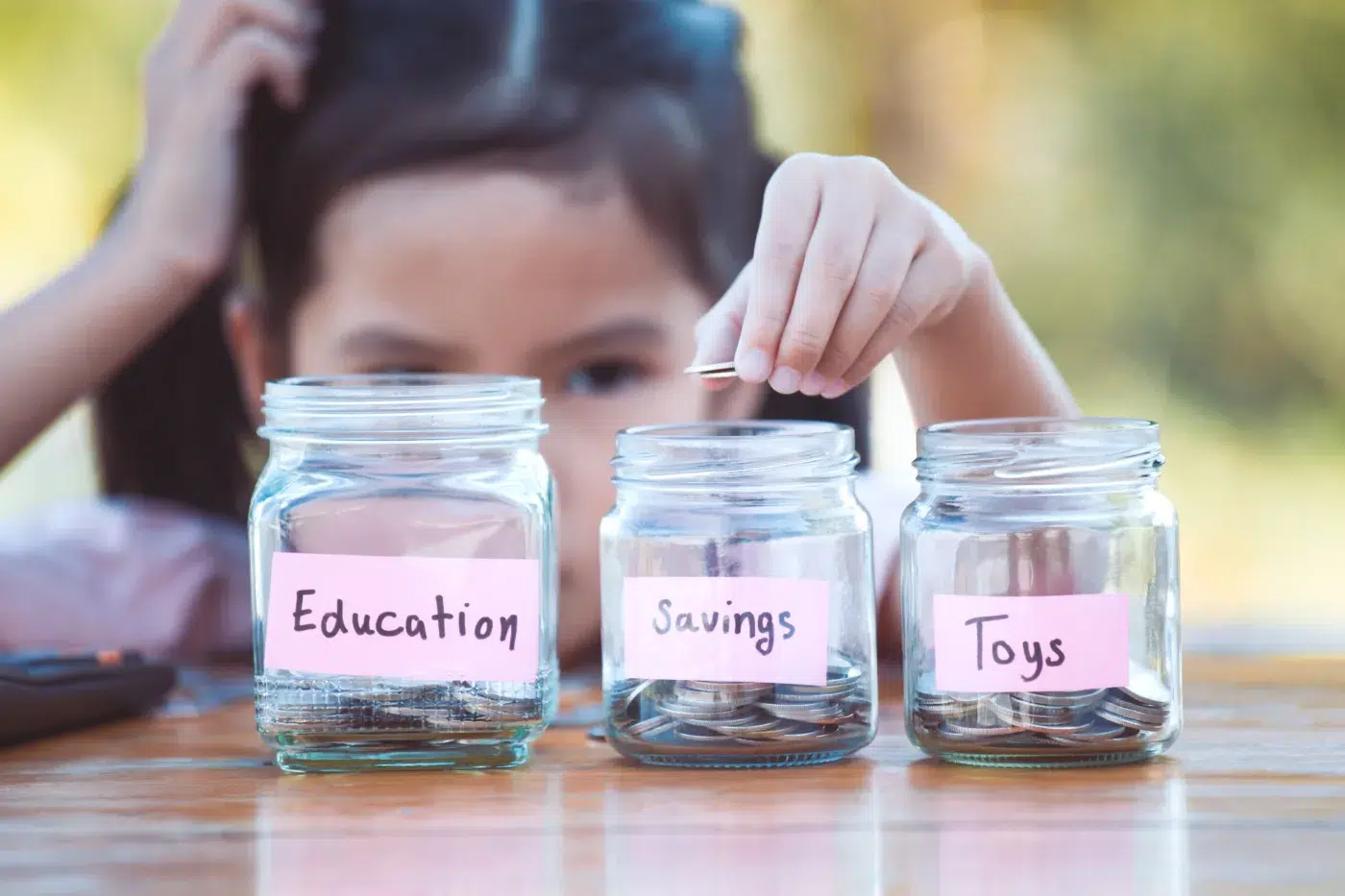
Why financial education for kids matters
Money touches almost everything in life, but most people learn about it the hard way.
Teaching kids about money early helps them build habits that stick. They start to understand things like:
- How to save instead of spend everything at once
- Why budgeting matters
- What it means to make tradeoffs
- How small decisions add up over time
These skills don’t just help in the moment. They shape how teens and adults handle money down the road.
The earlier kids learn, the better
Kids don’t need to be in high school to start learning about money.
Simple ideas can start young:
- Money is something you earn
- You can’t spend the same dollar twice
- Saving takes patience
As they grow, those ideas expand into bigger concepts like goal setting, banking, and planning ahead.
The key is starting small and building over time.


Helping kids build smart habits
You don’t need a formal class to teach financial literacy at home. Everyday moments work just as well. Here are a few easy ways to help kids and teens learn about money:
Make saving part of the routine
Encourage kids to set aside a portion of any money they receive. Even small amounts help build the habit of saving.
Talk about real-life spending
Bring them into everyday decisions. Grocery shopping, planning a purchase, or comparing prices are all great teaching moments.
Let them make choices
Whether it’s spending now or saving for later, giving kids options helps them understand tradeoffs.
Be okay with mistakes
Learning how to manage money includes getting it wrong sometimes. Those moments can be the most valuable.

Financial literacy for teens looks a little different
As kids get older, the lessons change.
Teens are closer to real financial decisions, so the focus shifts to:
- Managing a budget
- Understanding how accounts work
- Planning for bigger expenses
- Thinking about future goals
This is also a good time to introduce the idea of long-term planning, like saving for a car, school, or something meaningful to them.
What this means for families
Schools are doing more, but families still play a big role.
The conversations you have at home matter just as much as anything taught in a classroom. When kids hear about money regularly and see thoughtful decisions in action, it starts to click.
You don’t need to make it complicated. Just keep the conversation going.

One simple step to start
If you’re looking for a place to start, keep it simple. Talk with your kids about money this week. Ask what they’d save for. Ask how they decide what to spend. The goal isn’t to have all the answers. It’s to help them start thinking. Because when kids understand money early, they’re much more likely to feel confident using it later.

Ready to get started?
Open a youth account today and help your child take those first important steps with money. It only takes a few minutes, and it gives them a place to save, set goals, and see their progress grow. The habits they build now can last for years, so don’t wait to get them started. Explore your youth savings options and open an account today!
This article is inspired by content originally published by SavvyMoney and has been adapted for Community Choice Credit Union.